- Midland Road Springs | Leaf Springs Specialists
- 01675 467387
- info@leafsprings.co.uk


How to Choose the Right Leaf Springs for Towing
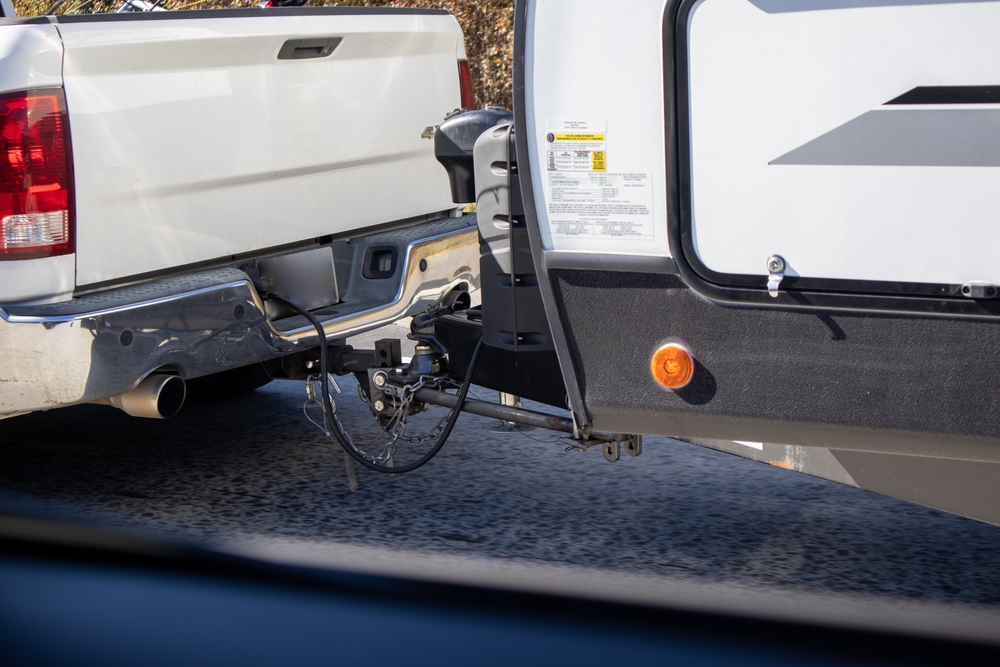
Towing places additional pressure on your vehicle’s suspension. Whatever you’re towing, your leaf springs must support the load while helping to keep the vehicle stable and level.
However, choosing new leaf springs is not simply a case of selecting the strongest set available. They need to match your vehicle or trailer, suit the load being carried and provide the right balance between support and ride quality.
Here is what you need to consider when choosing leaf springs for towing.
Why are leaf springs important when towing?
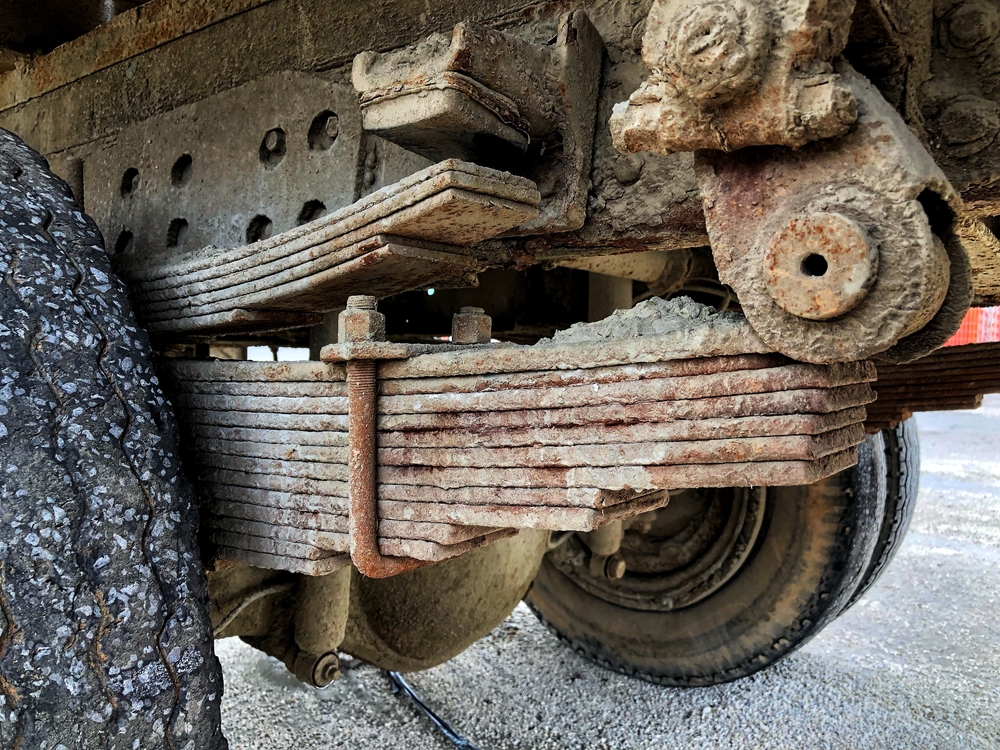
Leaf springs support the weight placed over an axle, absorb movement from the road and help maintain the correct ride height. They also play an important part in keeping the axle aligned.
When a trailer is attached, its nose weight adds downward force to the rear of the towing vehicle.
If the rear leaf springs are worn, damaged or unsuitable for the load, you may notice:
- The rear of the vehicle sitting lower than normal
- The front of the vehicle appearing raised
- Excessive bouncing after travelling over bumps
- Increased swaying or instability
- The suspension frequently bottoming out
- Uneven tyre wear
- Poorer steering or braking control
These symptoms should not be ignored. However, they do not always mean that you need stronger springs. Existing components may be worn, the load may be incorrectly distributed, or the vehicle may be overloaded. The cause should be identified before replacement parts are selected.
Once the cause has been established and replacement leaf springs are required, the following checks will help you choose the correct option for your towing vehicle or trailer.
1. Check the towing vehicle or trailer details
Leaf springs are designed for particular makes, models, years of manufacture and axle arrangements. Even two visually similar vehicles may use springs with different lengths, widths, mounting points or load ratings.
Before ordering, check details including:
- Vehicle or trailer manufacturer
- Model
- Year of manufacture
- Front or rear spring position
- Axle type and rating
- Number and arrangement of leaves
- Spring length and width
- Position of the centre bolt
- Eye and bush measurements
Do not choose a spring based on appearance alone. Accurate identification helps ensure that the spring fits correctly and works as intended with the rest of the suspension.
If you are unsure, the team at Midland Road Springs can help identify a suitable part using your vehicle details and information from the existing spring.
2. Know the difference between tow-vehicle and trailer leaf springs
The phrase “leaf springs for towing” can refer to two different applications.
The towing vehicle may have rear leaf springs supporting the additional nose weight applied by the trailer. Pickups, vans and some commercial vehicles commonly use this suspension design.
Trailer leaf springs, meanwhile, are fitted to the trailer itself and support the weight carried over its axle or axles. They must be selected according to the trailer’s design, axle rating and maximum permitted weight.
A spring designed for a trailer should not be treated as interchangeable with one made for a towing vehicle. Each has its own dimensions, mounting arrangement and load requirements.
3. Work out the weight the springs must support
The correct springs must be capable of supporting the intended load without exceeding the limits of the vehicle, trailer or axle.
Check the manufacturer’s information for:
- The vehicle’s maximum towing capacity
- The maximum authorised mass
- The gross train weight
- Front and rear axle limits
- The trailer’s plated maximum weight
- The permitted tow-ball or nose weight
Remember to include passengers, tools, luggage and other items carried in the towing vehicle. The trailer’s contents must also be included when calculating its total weight.
The load should be distributed evenly rather than concentrated at the front, rear or on one side of the trailer. Poor distribution can make a towing setup unstable even when its total weight remains within the permitted limit.
Most importantly, fitting heavy-duty leaf springs does not increase the legal towing capacity, payload or axle rating specified by the manufacturer. Upgraded springs may improve support within existing limits, but they do not change those limits.
4. Decide whether standard or heavy-duty springs are appropriate
Standard replacement springs are often the best choice when a vehicle is used for occasional towing and normally travels lightly loaded. They are designed to restore the suspension to its intended specification and generally retain a more comfortable ride when the vehicle is empty.
Heavy-duty springs may be more suitable for vehicles that tow frequently, carry equipment as well as towing a trailer, or consistently operate close to their permitted load.
Depending on the application, they can provide:
- Greater support under sustained loads
- Reduced rear-end sag
- Improved ride-height control
- Less frequent bottoming out
- More stable suspension movement
However, stronger is not automatically better. Springs that are unnecessarily stiff can create a harsher ride when the vehicle is unladen and may transfer additional stress to other suspension components.
A rear suspension upgrade for towing should therefore be chosen around how the vehicle is genuinely used, rather than the strongest option available.
5. Match trailer springs to the axle and configuration
When choosing trailer leaf springs, consider the trailer’s axle rating and whether it uses a single- or twin-axle arrangement.
The required capacity is shared between the springs fitted to an axle. Each spring must have the correct individual rating, dimensions and mounting configuration for that setup. Selecting springs by the trailer’s total weight alone can lead to the wrong parts being ordered.
You should also check whether the trailer uses double-eye springs or slipper springs:
- Double-eye springs have an eye at each end and are commonly connected to hangers and shackles.
- Slipper springs have an eye at one end and a free or hooked end that slides within a hanger.
The replacement must match the original design unless the entire suspension arrangement is being professionally modified.
6. Inspect the surrounding suspension components
New springs will not perform correctly if the parts holding them in place are worn, damaged or incorrectly fitted.
When replacing leaf springs, inspect the:
- Bushes
- Shackles
- Spring hangers
- Centre bolts
- Mounting pins
- Axle seats
- Dampers or shock absorbers
U-bolts can stretch or corrode and should not automatically be reused. Worn bushes and shackles may allow excessive movement, while damaged hangers can affect alignment and stability.
Replacing related components at the same time can help the suspension work as a complete system and reduce the likelihood of further problems.
7. Look for quality, compatibility and professional advice
Leaf springs must withstand repeated flexing, changing loads and exposure to water, dirt and road salt. Poorly matched or low-quality components may sag prematurely, affect handling or place unnecessary strain on surrounding parts.
Choose springs that meet the correct specifications for the application and come from a reputable supplier. You should also check exactly what is included, as some spring kits are supplied with bushes, U-bolts or other fitting components, while others contain the springs only.
If the required part cannot be confidently identified, seek advice before ordering. Measurements taken from a worn or flattened spring can sometimes be misleading, so vehicle and axle information may also be needed.
Should leaf springs be replaced in pairs?
Leaf springs on the same axle should generally be replaced in pairs. If only one is replaced, the new and older springs may sit at different heights or respond differently under load.
Replacing both helps maintain:
- Even ride height
- Balanced load support
- Consistent suspension movement
- Better axle alignment
- More predictable handling
The complete suspension should also be inspected for wear or damage before the vehicle or trailer returns to towing.
How do you know when towing leaf springs need replacing?
Arrange an inspection if you notice:
- Cracked, snapped or separated leaves
- Significant rust or metal flaking
- Flattened or distorted springs
- One side of the vehicle or trailer sitting lower
- Excessive movement from worn bushes or shackles
- Knocking, squeaking or rattling from the suspension
- Unstable handling while towing
- The suspension bottoming out regularly
Do not continue towing with a visibly broken spring. The remaining spring and surrounding components may be carrying additional stress, increasing the risk of further damage or loss of control.
Find the right leaf springs for your towing setup
The right towing springs should be compatible with your vehicle or trailer, correctly rated for the application and suited to how frequently you tow. Heavy-duty options can offer additional support for demanding use, but they must still operate within the manufacturer’s towing, payload and axle limits.
With more than 30 years of industry experience, Midland Road Springs supplies, repairs and installs leaf springs for light and heavy commercial vehicles. We can also help you identify the correct springs and associated components for your setup.
Browse our range of leaf springs online or contact the MRS team for expert advice before ordering.
[SHOP] [CONTACT US]