- Midland Road Springs | Leaf Springs Specialists
- 01675 467387
- info@leafsprings.co.uk


7 Reasons Why Your Leaf Spring Could Break

Leaf springs are designed to take on a lot, from supporting your vehicle’s weight to absorbing the impact of potholes, bumps and uneven roads. But even these tough suspension components can break. Whatever vehicle you’re driving in, a broken leaf spring can lead to poor handling and in severe cases, complete suspension failure. So, what actually causes them to break, and how can you stop it from happening again?
Let’s break it down.
1. Overloading Your Vehicle
One of the most common reasons leaf springs break, is simply that there is too much weight.
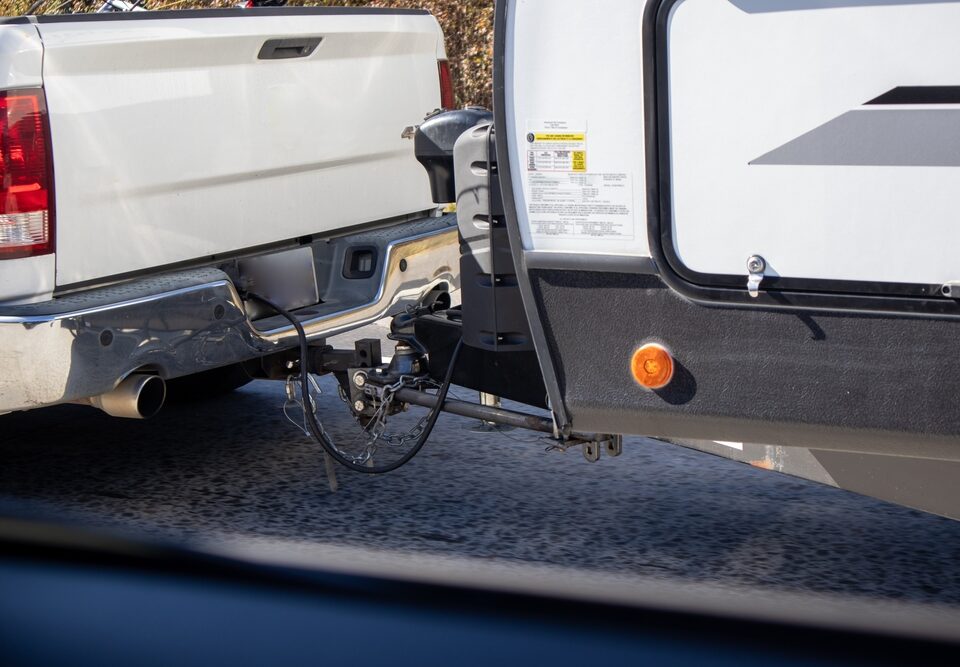
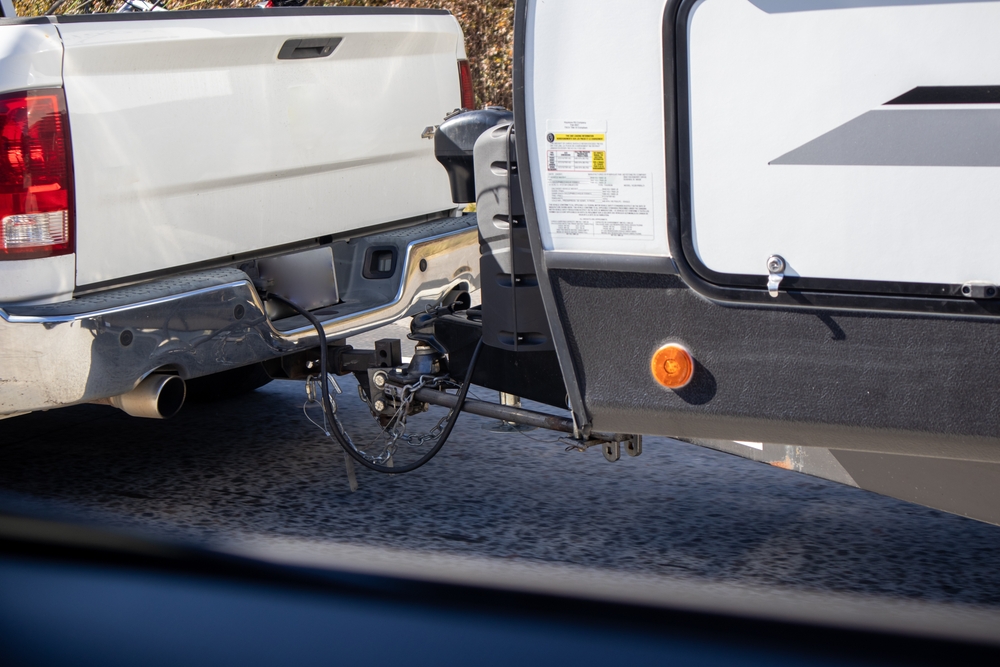
Each leaf spring is designed to carry a specific load. When you exceed that limit, for example, by overpacking a van or towing more than your vehicle can handle, it puts excess stress on the steel leaves. Over time, this causes leaf springs to fatigue, flatten, or even snap.
Signs of overloading include:
- A sagging rear end
- The vehicle bottoming out over bumps
- Reduced ride height
- Noisy, harsh suspension
Tip: Always check your vehicle’s gross vehicle weight rating (GVWR) before loading. Even if your suspension seems strong, repeated overloading shortens the lifespan of your springs dramatically.
2. Corrosion and Rust
Leaf springs are situated under your vehicle, which means they’re constantly exposed to rain, dirt, and road salt. Over time, this exposure leads to rust and corrosion, especially if the protective coating wears away.
Rust weakens the steel, making the spring more likely to crack or snap under normal use. Corrosion also causes leaves to rub unevenly against each other, leading to premature wear.
How to prevent it:
- Wash underneath your vehicle regularly, especially during winter.
- Apply an anti-rust spray or corrosion-resistant coating.
- Replace heavily rusted springs before they fail completely.
3. Metal Fatigue and Age
Like all suspension components, leaf springs have a finite lifespan. Every time your vehicle hits a bump or carries a load, the spring flexes slightly. Over thousands of cycles, the metal gradually weakens, which is a process known as metal fatigue.
Eventually, the spring may develop hairline cracks, especially near stress points such as the centre bolt or ends. Once those cracks form, failure isn’t far behind.
The typical lifespan of a leaf spring is around 50,000 to over 100,000 miles for light commercial vehicles, though it depends on driving conditions and load weight.
4. Loose U-Bolts or Poor Installation
This one’s often overlooked but surprisingly very common.
The U-bolts hold your leaf spring tightly to the axle. If they become loose or weren’t torqued correctly during installation, then the spring can move slightly every time you drive. That small movement creates friction between the leaves, increasing wear and weakening the centre bolt (a critical stress point).
Over time, that looseness leads to cracks around the centre area and, eventually, a complete break.
Check regularly: After any spring replacement, the U-bolts should be retorqued after a few hundred miles. It’s a small job that can prevent major suspension damage.
5. Driving on Rough or Uneven Terrain
If your vehicle frequently travels on uneven or off-road surfaces, your leaf springs will naturally wear faster.
Constant bouncing, twisting, and vibration put additional strain on the metal. Combine that with potholes or heavy loads, and the result is early fatigue or cracking.
What to do:
- Avoid carrying maximum loads on poor roads.
- Replace standard springs with heavy-duty or parabolic leaf springs if you regularly drive in tough conditions.
- Inspect your springs often for visible cracks, chips, or gaps.
6. Manufacturing Defects or Poor Quality Springs
Not all leaf springs are made equal. Cheaper or low-quality springs made from inferior steel are more likely to break prematurely, especially when exposed to heavy loads or rough driving.
At Midlands Road Springs, we only supply high-quality leaf springs that meet manufacturer specifications, ensuring reliable performance and long life.
If your spring failed shortly after installation, poor-quality materials or incorrect fitting may be the reason why.
7. Lack of Maintenance
A small bit of maintenance goes a long way. Dirt and grime trapped between the leaves can act like sandpaper, wearing down the steel. Without occasional cleaning or inspection, early damage often goes unnoticed until it’s too late.
Maintenance tips to follow:
- Clean the springs with a wire brush and mild cleaner.
- Avoid excessive lubrication – oil attracts dirt and grit.
- Keep an eye on your spring clips and bushings to ensure they’re secure.
For more advice, see our guide on how to clean your leaf springs.
What Happens If a Leaf Spring Breaks?
A broken leaf spring doesn’t just affect ride comfort, it affects safety.
Driving with a damaged spring can cause:
- Poor handling and control especially when cornering.
- Increased stopping distance due to uneven weight distribution.
- Misaligned tyres and premature tyre wear.
- Vehicle instability, especially when towing or carrying heavy loads.
If your spring breaks while driving, it can even puncture a tyre or damage the axle, which could lead to an accident.
How to Prevent Leaf Spring Failure
While you can’t completely stop the normal amount of wear and tear, you can extend the lifespan of your suspension system by following a few simple steps:
- Don’t overload your vehicle
- Inspect springs regularly for cracks or sagging
- Keep them clean and rust-free
- Check U-bolts and centre bolts periodically
- Replace worn or weak springs before they fail
Need a Replacement Leaf Spring?
If your leaf springs are cracked, corroded, or broken, replacing them is the only safe fix.
At Midlands Road Springs, we stock a wide range of replacement leaf springs for vans, lorries, trailers, and 4x4s are all made to manufacturer standards, with fast UK delivery and expert support.
Shop Our Study Leaf Springs Today
Leaf springs are tough, but like any part, they wear out over time. Overloading, rust, loose fittings, or simple age can all lead to failure. The best approach? Stay on top of inspections and replace springs at the first sign of trouble.
With quality parts from MRS, you’ll keep your vehicle safe and balanced for the long journeys ahead.